
If you’ve only made pesto with basil, you’re in for a delicious surprise. Broccoli pesto is a vibrant, flavorful twist on the classic and it transforms the humble broccoli into something creamy, nutty, cheesy, and incredibly versatile. This recipe so useful to use up extra broccoli (fresh or frozen) or when you want to sneak more vegetables into your meals. Read more below on easy it is to make!
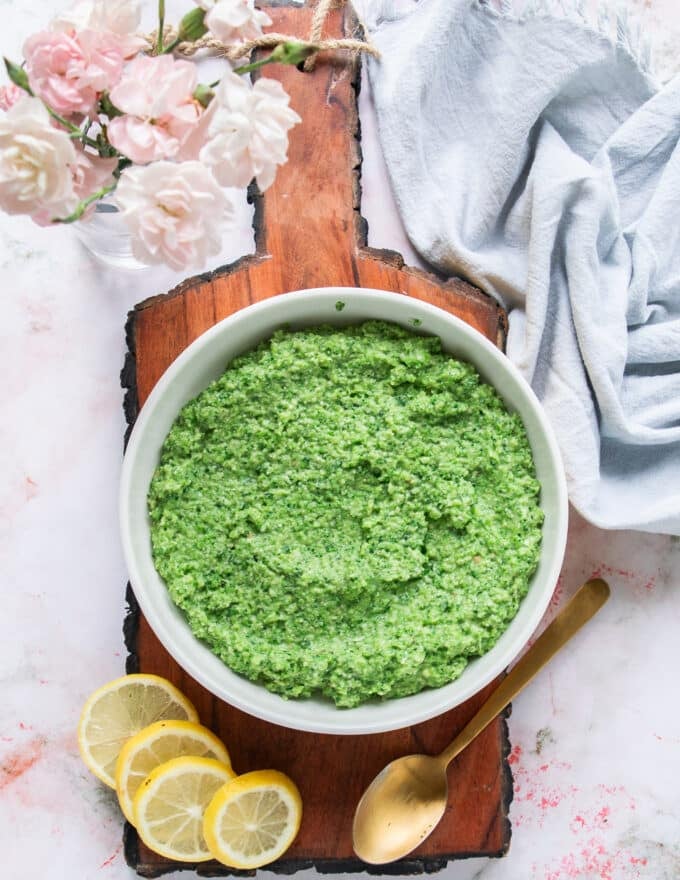
This broccoli pesto recipe is the perfect no cook sauce that’s delicious with Broccoli Pasta, a delicious spread on sandwiches, great drizzled over grilled chicken or roasted vegetables. If you compare it to the classic Basil Pesto, this version has a sweeter, earthier flavor with a rich, velvety texture.
This pesto, similar to the Sun Dried Tomato Pesto version is versatile and can be used in SO MANY different ways! Think of it as a dip or sandwich spread, thin it into a dressing, use it as a pizza sauce, swirl it into soups, or spoon it over grilled seafood and vegetables. Once you make a batch, you’ll find yourself reaching for it all week long.
What is Broccoli Pesto?
Broccoli pesto is a variation of the traditional Italian basil pesto made by blending broccoli with olive oil, Parmesan cheese, garlic, nuts, and fresh basil into a smooth, flavorful sauce.
You will still taste the flavor of basil, but it won’t be as intense. And alongside you’ll taste some sweetness and nutrition value from the broccoli.
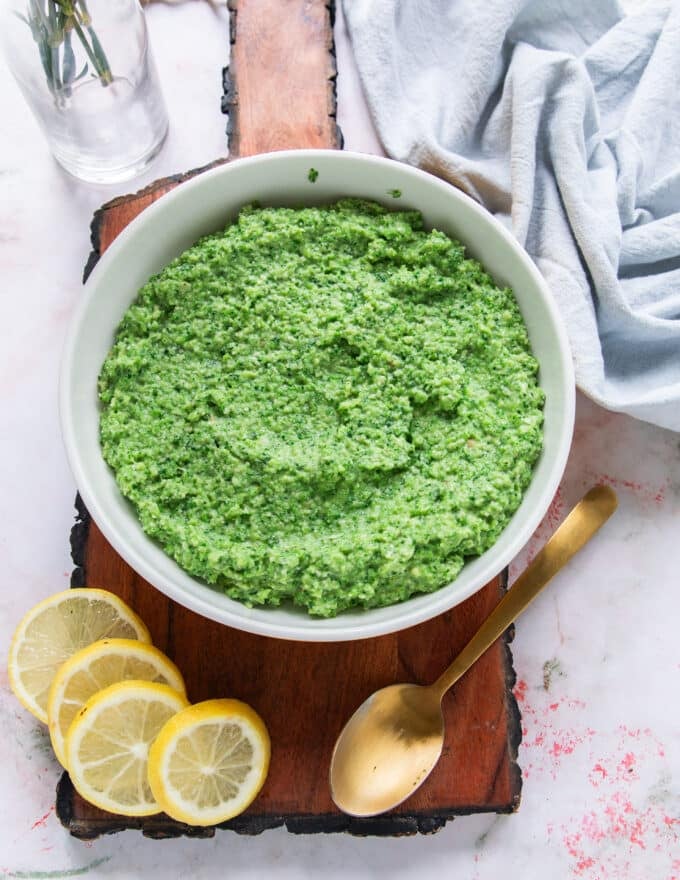
You’ll end up with a pesto that’s creamy, vibrant green, tasty and incredibly versatile. Remember that since this sauce is a no cook sauce, and made in one bowl using a food processor, you’ll have full control over it. You can make it as thin or thick, smooth or chunky, spicy or not, adding more herbs like thyme and much more!
Why You’ll LOVE This Broccoli Pesto Recipe
- This such a TASTY recipe that allows you to enjoy and eat more veggies!
- It’s ready in about 10 minutes.
- The sauce is no cook, fresh, and packed with flavor.
- It has a creamy without needing heavy cream.
- We love pesto because it’s so easy to customize with different nuts and herbs.
- Pesto is perfect for meal prep and a great freezer friendly, make in advance option.
- SO versatile! Use it over pasta, as a dip, sauce, salad dressing or topping for anything on the grill.
Ingredients You’ll Need
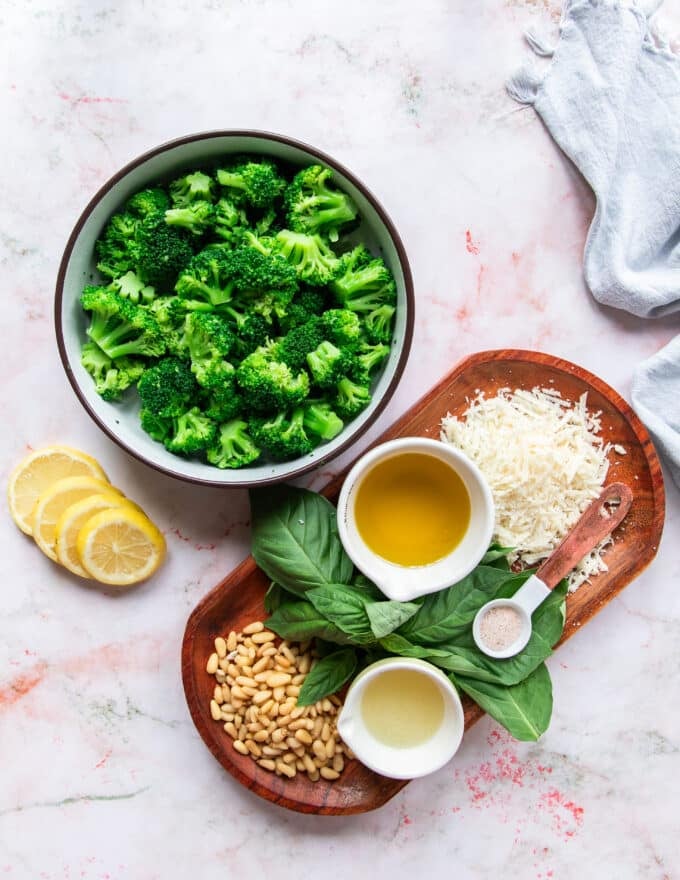
- Broccoli: This is the hero ingredient! Use both the florets and stems. Our favorite tip is to used frozen broccoli as they’re vibrant green and a little more tender compared to fresh. You can use both stem and florets for this pesto.
- Fresh Basil: A handful of basil complements the broccoli rather than competing with it. It adds the perfect aroma you would expect from pesto while keeping the broccoli from tasting too earthy.
- Parmesan Cheese: Always use freshly grated Parmigiano Reggiano when possible. It creates a richer, nuttier pesto than pre grated cheese. Parmesan has a natural umami which balances the sweetness of the broccoli and gives the pesto its signature savory depth. Use vegan Parmesan for a vegan alternative.
- Garlic: Fresh garlic is best for it’s flavor and adds so much taste to the broccoli pestp,However keep in mind that too much garlic can easily overpower the broccoli’s delicate flavor.
- Olive Oil: Quality extra virgin olive oil provides richness, helps emulsify the pesto, and creates a silky texture.
- Nuts: Just like the traditional pesto, we used pine nuts here. Alternatively you can use pitscahio, walnuts, almonds as broccoli pairs beautifully with several varieties.
- Lemon: Fresh lemon juice brightens the pesto and balances the richness of the cheese and olive oil. If you want a more tangy pesto, add in a little lemon zest.
- Seasoning: Kosher salt and fresh black pepper are the only seasonings used to allow the fresh ingredients to shine without overwhelming them.
Choosing Fresh Broccoli
- Look for broccoli with tight compact florets, deep green color and firm stalks.
- Avoid any yellow flowers, mushy or soft spots along the stem.
- Smaller broccoli heads are often sweeter and more tender than very large ones.
Fresh vs Frozen Broccoli
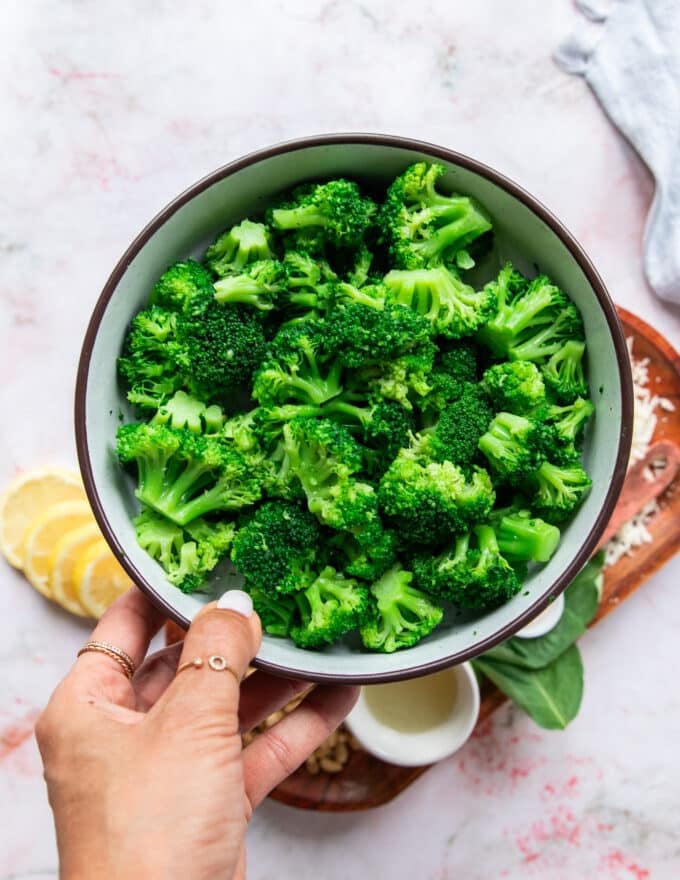
- Fresh broccoli provides the brightest flavor and best texture. Similar to our Broccoli Salad and Broccoli Slaw or Broccoli Cauliflower Salad, these will make you LOVE eating broccoli!
- Frozen broccoli works great as they are more tender, vibrant green. You need to however drain any excess moisture from the florets once thawed as this can create a watery pesto.
Choosing the Nuts
Each nut has a unique taste and texture. Classically pine nuts are used as they are so creamy and buttery with a neutral flavor. We prefer them. However you can use pistachios like our Pesto Pasta with Pistachio Pesto. They have a unique taste.
Cashews are milk and creamy, almonds too. Walnuts are a great option, and if you love walnuts, make sure to try my grandma’s Pan Seared Chicken Breast with Walnut Sauce. Pecans have a slight sweet note, which also makes them great here!
An extra step of toasting the nuts can add a richer flavor to the pesto. Toasting releases the nuts’ natural oils, making them more aromatic and intensifying their flavor.
How to Make Basil Pesto
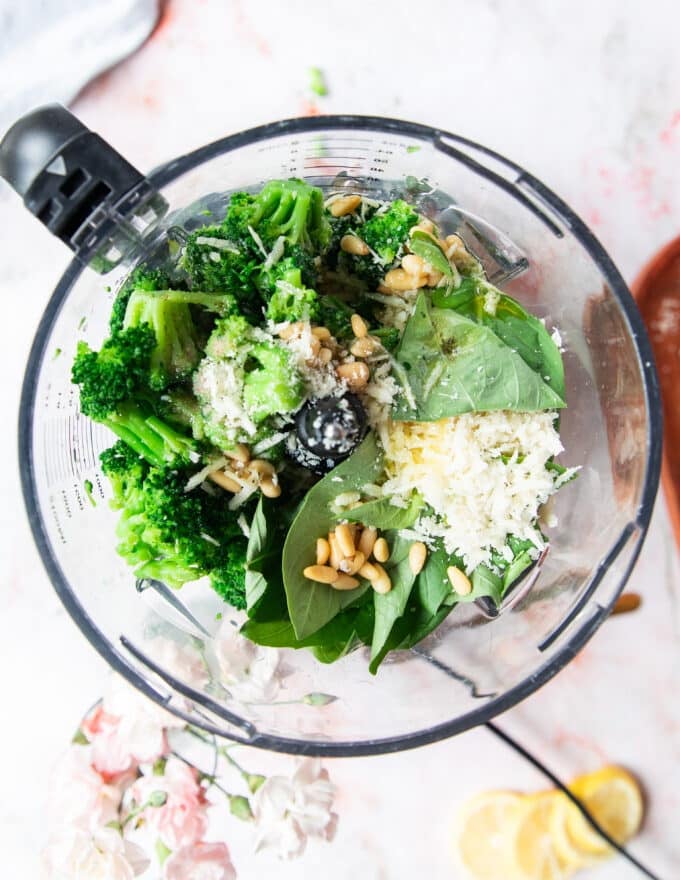
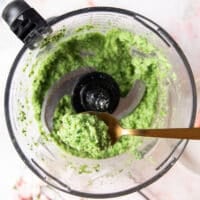
- This is truly a one bowl sauce wonder. Use a food processor or even a blender. The classic basil pesto was made using a mortar and pestle where the ingredients are gently mashed by hand until the desired consistency is reached.
- Today we’re simplifying our way by using a food processor.

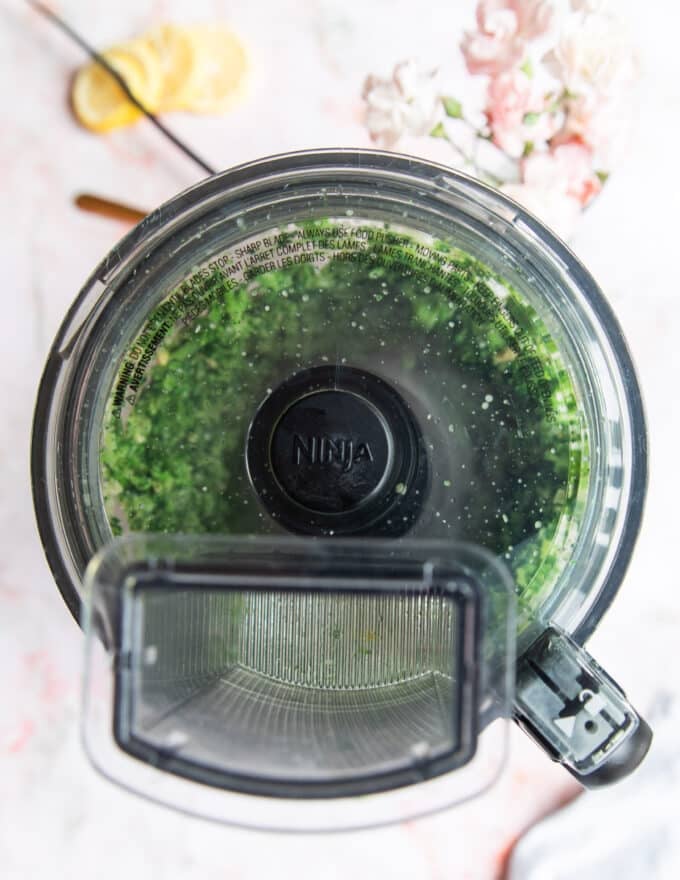
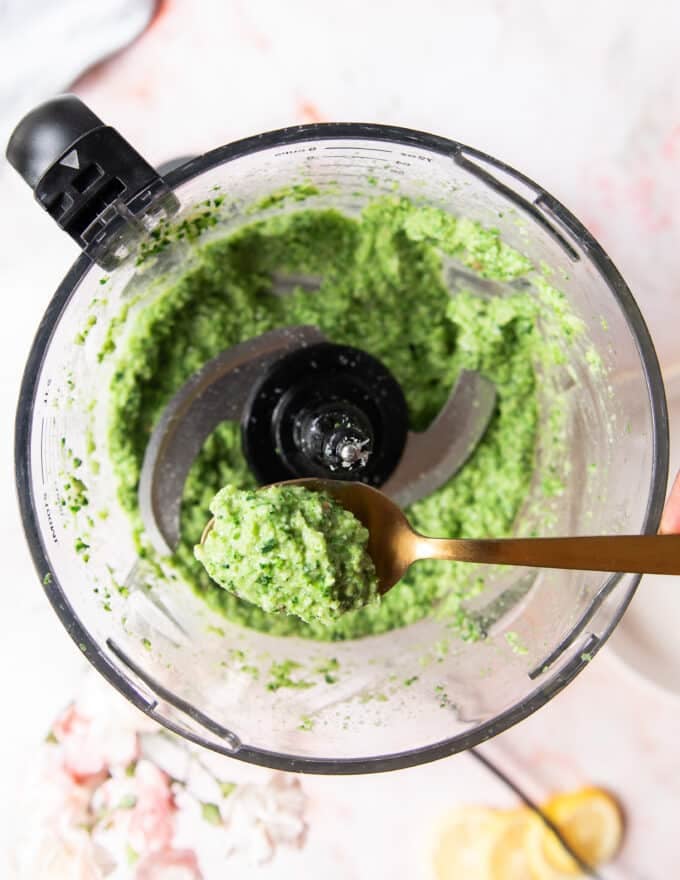
- Once all ingredients are in, start by pureeing the pesto while keeping an eye on it if you want a chunky sauce.
- Alternatively you can pulse manually until you reach the desired consistency.
- When it’s ready, taste the pesto! Add in some salt if needed or lemon juice for extra tang. Also add in chili flakes for a spice kick if you like.
- Add in some more olive oil for a saucier sauce, or pine nuts for a velvety creamy texture. If the sauce feels too thin, add in some parmesan cheese to thicken it, or more broccoli.
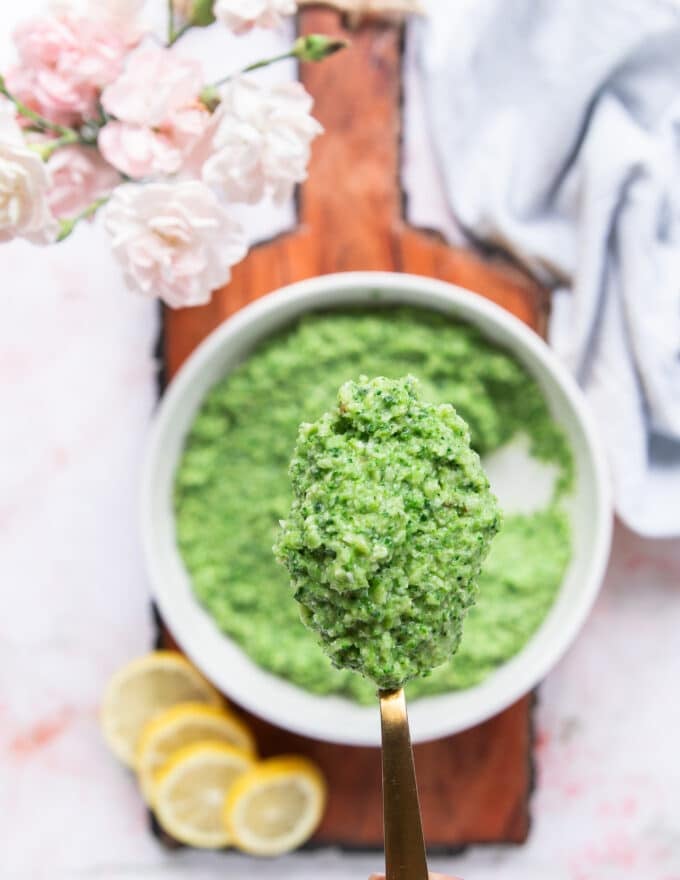
- The finished pesto should taste fresh, balanced, and creamy, with the broccoli still clearly recognizable rather than hidden behind the other ingredients.
Expert Pro Tips For Making Broccoli Pesto
- You can use fresh broccoli without blanching, however blanching preserves the bright color.
- Frozen broccoli is an excellent choice as it acts like blanched broccoli without the work, which is what we used today.
- However if using frozen broccoli, make sure to thaw first and drain any excess moisture to avoid a soggy sauce.
- If you’re using fresh broccoli florets only, keep the stems to make the best Broccoli Slaw.
- Toast the nuts if you have time as it dramatically improves the flavor.
- Always use the best olive oil you can as the flavor is noticeable. A fruity, high quality extra virgin olive oil will make your pesto taste fresher and more vibrant.
- Don’t use too much garlic, even if you’re a fan! It can cause bitterness and overwhelm the pesto.
- We prefer a slightly chunky texture , and if you do too then you need to avoid over mixing the sauce. Puree for a few seconds and then switch to pulse for optimal results.
- For a brighter tangier note, add lemon zest at the end of the pulsing.
Variations Of Broccoli Pesto
- Cooked Broccoli Pesto: Cooking the broccoli like roasting or in this case air frying, gives the pesto a deeper, sweeter flavor with lightly caramelized notes.
- Vegan Broccoli Pesto: Replace the Parmesan with nutritional yeast or your favorite dairy free Parmesan alternative for a creamy, vegan-friendly pesto.
- Nut Free Broccoli Pesto: Swap the nuts for toasted sunflower seeds, hemp or pumpkin seeds to create a pesto that’s both delicious and allergen friendly. You can read all about this in our original Basil Pesto guide.
- Spicy Broccoli Pesto: Blend in a pinch of red pepper flakes, a roasted poblano, a spoonful of Chili Oil Recipe. or our Mediterranean family recipe for Hot Pepper Sauce for gentle heat.
- Herb Broccoli Pesto: Combine basil with parsley, dill, mint, cilantro, or chives for a brighter, more herb tasting sauce.
- Cheesy Broccoli Pesto: Mix Parmesan with Pecorino Romano or a little aged Asiago for an even richer, bolder pesto.
How to Use Broccoli Pesto?
- Our all time favorite is this Broccoli Pesto Pasta
- Use it on sandwiches as a spread, or mix it into mayo for an aioli like this Truffle Aioli or Harissa Aioli.
- Use it on grilled meats and seafood.
- Spread on it on pizza. Try our Pizza Dough Recipe or No Knead Pizza Dough. And make Grilled Pizza, Air Fryer Pizza or Burrata Pizza using the broccoli pesto!
- Top it over Smashed Potatoes, Potato Wedges or Crispy Potatoes.
- Makes a perfect dip to use with our Pita Chips or Homemade Potato Chips.
Troubleshooting Broccoli Pesto and How to Fix it
Why is my broccoli pesto watery?
Too much moisture is the absolute cause. It happens if you haven’t drained frozen thawed broccoli well, or if you blanched fresh broccoli and haven’t drained it either. To fix this, blend in a little more Parmesan, toasted nuts, or additional broccoli until the pesto thickens.
My broccoli pesto is bitter
Broccoli naturally contains sulfur compounds that can become more noticeable if the broccoli is overcooked or if the olive oil is overly bitter. Likewise if you add too much garlic, it can cause your sauce to be bitter. To fix this, add a squeeze of fresh lemon juice, a little extra Parmesan and fresh basil leaves. Taste and adjust.
Why isn’t my pesto bright green?
The broccoli wasn’t fresh, or if you used raw, it has turned slightly gray with the other ingredients. If you’ve overcooked it by over blanching the fresh broccoli, it can likewise loose its’ bright green color. To fix this, we love using frozen broccoli that is thawed and well drained.
My pesto is grainy and not smooth
Pre grated Parmesan often contains anti caking agents that prevent it from blending smoothly. To fix this, grate Parmesan fresh from a block.
Why is my pesto too thick?
You haven’t added enough olive oil to start with, and to fix this, simply blend in another drizzle of olive oil or a teaspoon of water until you reach your desired consistency.
What if my pesto is too thin?
If the broccoli was watery, it will create a thin sauce. To fix this add in more broccoli or Parmesan cheese, or a handful of nuts and process it until thick and creamy. This is the best way to actually thicken a pesto without diluting its flavor.
Why does my pesto taste bland?
If you feel the taste is bland, usually adding in a few aromatics will fix it. Add a pinch of salt, more parmesan cheese, more lemon juice, some cracked pepper or chili flakes.
Can I make broccoli pesto without basil?
Yes absolutely! The pesto will have a more pronounced broccoli flavor, but parsley, spinach, arugula, cilantro, dill, or even fresh mint all make excellent alternatives.
Can I make pesto without nuts?
Absolutely yes! Use toasted sunflower seeds, pumpkin seeds, hemp, or just focus on more veggies and cheese ratios. The texture will be slightly different but still creamy and delicious.
Does broccoli pesto taste like broccoli?
Yes and no! It tastes like a sweet, fragrant broccoli in the best way possible! Broccoli provides a mild, slightly sweet flavor to pesto rather than the strong taste many people associate with overcooked broccoli. The basil, Parmesan, garlic, lemon, and olive oil create a balanced pesto where no single ingredient dominates.
Storage & Freezing
- Refrigerator: Store broccoli pesto in an airtight container in the refrigerator for up to 7 days. For the freshest color, pour a thin layer of olive oil over the surface before sealing the container. This helps reduce oxidation and keeps the pesto vibrant.
- Freezer: Broccoli pesto freezes beautifully. Watch our video and guide for freezing pesto in our Basil Pesto guide. You can freeze it in ice cube trays, or our favorite way is flat on a parchment lined baking sheet. Once frozen, it can last for 3 months. To use it, break up the frozen sheet into pieces nd add it to your favorite recipes.
Can You Reheat Broccoli Pesto?
Broccoli pesto is best enjoyed at room temperature or gently warmed. Avoid boiling or cooking it over high heat, which can dull its fresh flavor and darken its bright green color. If serving it warm, it’s best to gently stir it into hot foods just before serving rather than simmering it.
What is broccoli pesto made of?
Broccoli pesto is typically made with broccoli, fresh basil, Parmesan cheese, garlic, olive oil, nuts such as pine nuts or walnuts, lemon juice, salt, and black pepper blended into a creamy sauce.
Do you use raw or cooked broccoli for pesto?
Blanched broccoli or thawed frozen broccoli produces the best flavor and texture. You can alternatively use fresh broccoliu florets only, as the stems may become stringy when processed. Keep the stems for Broccoli Slaw. Also try roasted or Broccoli In Air Fryer to make a richer tasting pesto.
Is broccoli pesto healthy?
Yes. Broccoli pesto contains nutrient rich broccoli, heart healthy olive oil, fresh herbs, and nuts, making it a wholesome alternative to heavier sauces.
Why do you blanch broccoli before making pesto?
Blanching preserves the broccoli’s bright green color, softens its texture, and removes some of the bitterness while maintaining its fresh flavor.
What nuts work best in broccoli pesto?
Pine nuts are traditional, but walnuts, pistachios, almonds, pecans, cashews, sunflower seeds, and pumpkin seeds all work beautifully.
Can I make broccoli pesto dairy free?
Yes. Replace the Parmesan with nutritional yeast or a dairy free Parmesan alternative.
Do kids enjoy broccoli pesto?
Yes! Its creamy texture and mild flavor make it a great way to introduce broccoli to children. The Parmesan and nuts mellow the vegetable flavor, making it more appealing to picky eaters.
What’s the difference between broccoli pesto and basil pesto?
Traditional pesto is made primarily with basil, while broccoli pesto incorporates broccoli for a milder, sweeter, and a more veggie flavor. Both share classic ingredients like olive oil, garlic, Parmesan, and nuts.
Pesto Recipes
Sun Dried Tomato Pesto
Basil Pesto
Broccoli Pesto Pasta Recipe
Pesto Pasta with Pistachio Pesto
Grilled Chicken Parmesan
Stuffed Shells Recipe
Sun Dried Tomato Pasta
Chicken Spiedini
Caprese Sandwich
Chicken Caprese
Caprese Skewers
Kale Pesto Stuffed Mushrooms
Broccoli Pesto
Ingredients
- 2 cups frozen broccoli florets thawed and drained
- 1 clove garlic or 3 cloves roasted garlic
- 1/2 lemon juiced
- 1/4 teaspoon salt
- 1 teaspoon thyme leaves
- 1/4 cup fresh basil
- 3 Tablespoons pine nuts
- 1/3 cup freshly grated Parmesan cheese
- 3-4 Tablespoons olive oil
Instructions
-
Use a food processor or even a blender. The classic basil pesto was made using a mortar and pestle where the ingredients are gently mashed by hand until the desired consistency is reached.

-
Once all ingredients are in, start by pureeing the pesto while keeping an eye on it if you want a chunky sauce.
-
Alternatively you can pulse manually until you reach the desired consistency.
-
When it's ready, taste the pesto! Add in some salt if needed or lemon juice for extra tang. Also add in chili flakes for a spice kick if you like.
-
Add in some more olive oil for a saucier sauce, or pine nuts for a velvety creamy texture. If the sauce feels too thin, add in some parmesan cheese to thicken it, or more broccoli.
-
The finished pesto should taste fresh, balanced, and creamy, with the broccoli still clearly recognizable rather than hidden behind the other ingredients.
Recipe Video
Recipe Notes
Expert Pro Tips For Making Broccoli Pesto
- You can use fresh broccoli without blanching, however blanching preserves the bright color.
- Frozen broccoli is an excellent choice as it acts like blanched broccoli without the work, which is what we used today.
- However if using frozen broccoli, make sure to thaw first and drain any excess moisture to avoid a soggy sauce.
- If you're using fresh broccoli florets only, keep the stems to make the best Broccoli Slaw.
- Toast the nuts if you have time as it dramatically improves the flavor.
- Always use the best olive oil you can as the flavor is noticeable. A fruity, high quality extra virgin olive oil will make your pesto taste fresher and more vibrant.
- Don't use too much garlic, even if you're a fan! It can cause bitterness and overwhelm the pesto.
- We prefer a slightly chunky texture , and if you do too then you need to avoid over mixing the sauce. Puree for a few seconds and then switch to pulse for optimal results.
- For a brighter tangier note, add lemon zest at the end of the pulsing.
Variations Of Broccoli Pesto
- Cooked Broccoli Pesto: Cooking the broccoli like roasting or in this case air frying, gives the pesto a deeper, sweeter flavor with lightly caramelized notes.
- Vegan Broccoli Pesto: Replace the Parmesan with nutritional yeast or your favorite dairy free Parmesan alternative for a creamy, vegan-friendly pesto.
- Nut Free Broccoli Pesto: Swap the nuts for toasted sunflower seeds, hemp or pumpkin seeds to create a pesto that's both delicious and allergen friendly. You can read all about this in our original Basil Pesto guide.
- Spicy Broccoli Pesto: Blend in a pinch of red pepper flakes, a roasted poblano, a spoonful of Chili Oil Recipe. or our Mediterranean family recipe for Hot Pepper Sauce for gentle heat.
- Herb Broccoli Pesto: Combine basil with parsley, dill, mint, cilantro, or chives for a brighter, more herb tasting sauce.
- Cheesy Broccoli Pesto: Mix Parmesan with Pecorino Romano or a little aged Asiago for an even richer, bolder pesto.
How to Use Broccoli Pesto?
- Our all time favorite is this Broccoli Pesto Pasta
- Use it on sandwiches as a spread, or mix it into mayo for an aioli like this Truffle Aioli or Harissa Aioli.
- Use it on grilled meats and seafood.
- Spread on it on pizza. Try our Pizza Dough Recipe or No Knead Pizza Dough. And make Grilled Pizza, Air Fryer Pizza or Burrata Pizza using the broccoli pesto!
- Top it over Smashed Potatoes, Potato Wedges or Crispy Potatoes.
- Makes a perfect dip to use with our Pita Chips or Homemade Potato Chips.
Troubleshooting Broccoli Pesto and How to Fix it
Why is my broccoli pesto watery?
Too much moisture is the absolute cause. It happens if you haven't drained frozen thawed broccoli well, or if you blanched fresh broccoli and haven't drained it either. To fix this, blend in a little more Parmesan, toasted nuts, or additional broccoli until the pesto thickens.
My broccoli pesto is bitter
Broccoli naturally contains sulfur compounds that can become more noticeable if the broccoli is overcooked or if the olive oil is overly bitter. Likewise if you add too much garlic, it can cause your sauce to be bitter. To fix this, add a squeeze of fresh lemon juice, a little extra Parmesan and fresh basil leaves. Taste and adjust.
Why isn't my pesto bright green?
The broccoli wasn't fresh, or if you used raw, it has turned slightly gray with the other ingredients. If you've overcooked it by over blanching the fresh broccoli, it can likewise loose its' bright green color. To fix this, we love using frozen broccoli that is thawed and well drained.
My pesto is grainy and not smooth
Pre grated Parmesan often contains anti caking agents that prevent it from blending smoothly. To fix this, grate Parmesan fresh from a block.
Why is my pesto too thick?
You haven't added enough olive oil to start with, and to fix this, simply blend in another drizzle of olive oil or a teaspoon of water until you reach your desired consistency.
What if my pesto is too thin?
If the broccoli was watery, it will create a thin sauce. To fix this add in more broccoli or Parmesan cheese, or a handful of nuts and process it until thick and creamy. This is the best way to actually thicken a pesto without diluting its flavor.
Why does my pesto taste bland?
If you feel the taste is bland, usually adding in a few aromatics will fix it. Add a pinch of salt, more parmesan cheese, more lemon juice, some cracked pepper or chili flakes.
Can I make broccoli pesto without basil?
Yes absolutely! The pesto will have a more pronounced broccoli flavor, but parsley, spinach, arugula, cilantro, dill, or even fresh mint all make excellent alternatives.
Can I make pesto without nuts?
Absolutely yes! Use toasted sunflower seeds, pumpkin seeds, hemp, or just focus on more veggies and cheese ratios. The texture will be slightly different but still creamy and delicious.
Does broccoli pesto taste like broccoli?
Yes and no! It tastes like a sweet, fragrant broccoli in the best way possible! Broccoli provides a mild, slightly sweet flavor to pesto rather than the strong taste many people associate with overcooked broccoli. The basil, Parmesan, garlic, lemon, and olive oil create a balanced pesto where no single ingredient dominates.
Storage & Freezing
- Refrigerator: Store broccoli pesto in an airtight container in the refrigerator for up to 7 days. For the freshest color, pour a thin layer of olive oil over the surface before sealing the container. This helps reduce oxidation and keeps the pesto vibrant.
- Freezer: Broccoli pesto freezes beautifully. Watch our video and guide for freezing pesto in our Basil Pesto guide. You can freeze it in ice cube trays, or our favorite way is flat on a parchment lined baking sheet. Once frozen, it can last for 3 months. To use it, break up the frozen sheet into pieces nd add it to your favorite recipes.
Can You Reheat Broccoli Pesto?
Broccoli pesto is best enjoyed at room temperature or gently warmed. Avoid boiling or cooking it over high heat, which can dull its fresh flavor and darken its bright green color. If serving it warm, it's best to gently stir it into hot foods just before serving rather than simmering it.
What is broccoli pesto made of?
Broccoli pesto is typically made with broccoli, fresh basil, Parmesan cheese, garlic, olive oil, nuts such as pine nuts or walnuts, lemon juice, salt, and black pepper blended into a creamy sauce.
Do you use raw or cooked broccoli for pesto?
Blanched broccoli or thawed frozen broccoli produces the best flavor and texture. You can alternatively use fresh broccoliu florets only, as the stems may become stringy when processed. Keep the stems for Broccoli Slaw. Also try roasted or Broccoli In Air Fryer to make a richer tasting pesto.
Is broccoli pesto healthy?
Yes. Broccoli pesto contains nutrient rich broccoli, heart healthy olive oil, fresh herbs, and nuts, making it a wholesome alternative to heavier sauces.
Why do you blanch broccoli before making pesto?
Blanching preserves the broccoli's bright green color, softens its texture, and removes some of the bitterness while maintaining its fresh flavor.
What nuts work best in broccoli pesto?
Pine nuts are traditional, but walnuts, pistachios, almonds, pecans, cashews, sunflower seeds, and pumpkin seeds all work beautifully.
Can I make broccoli pesto dairy free?
Yes. Replace the Parmesan with nutritional yeast or a dairy free Parmesan alternative.
Do kids enjoy broccoli pesto?
Yes! Its creamy texture and mild flavor make it a great way to introduce broccoli to children. The Parmesan and nuts mellow the vegetable flavor, making it more appealing to picky eaters.
What's the difference between broccoli pesto and basil pesto?
Traditional pesto is made primarily with basil, while broccoli pesto incorporates broccoli for a milder, sweeter, and a more veggie flavor. Both share classic ingredients like olive oil, garlic, Parmesan, and nuts.




We are big Pesto eaters, but we never have heard of broccoli pesto! Sounds like such an interesting food, but the texutre might be so fiberious.
My nephews usually leave the stems behind. Making this spread fixes that problem entirely during our weekday dinners.
Oh wow! This is so incredibly good! I love the brighter flavor the broccoli gives to the sauce.
At least 5 stars!!! I love that broccoli is part of the mix and that makes the traditional pesto sauce that much more interesting and healthy…Love it.