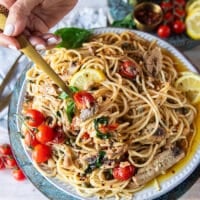
Sardine Pasta
Ingredients
Sardine Pasta
- 2 teaspoons olive oil MINA brand is our fave!
- 3-4 garlic cloves minced
- 1 cup cherry tomatoes
- 2 cans sardines MINA is our favorite brand
- 1 1/2 Tablespoons capers Likewise, MINA is our favorite
- 1/4 cup Herbs fresh basil and fresh oregano leaves
- 1/4 teaspoon salt and pepper
- 1 box spaghetti cooked
- 1/2 cup Pasta water to make a sauce
Serving
- 1/4 cup olive oil MINA is our favorite
- 1 lemon zested
- 1/2 teaspoons chilli flakes optional
Instructions
-
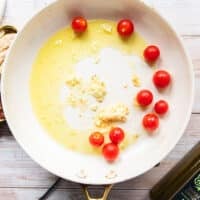
To make pasta with sardines, you'll start with one skillet. A sauce pan or 10 inch skillet is what you need for the sauce and you'll begin with lots of quality olive oil. The first layer of flavor is garlic and lots of seasonal sweet cherry tomatoes.
-
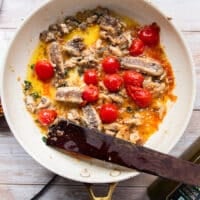
When the tomatoes have burst slightly and released their juices, you'll add in the sardines. make sure you're using the boneless type. It's super tricky to eat pasta when there are tiny bones that can be a choking hazard.
-
Then you'll add in the capers to the sauce and gently saute that with the sauce.

-
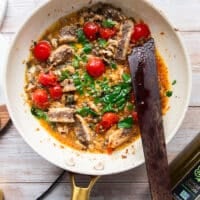
Finish off with plenty of fresh herbs which add so much brightness to the pasta. We love a combo of fresh oregano and fresh basil. We love a seasoning of salt, pepper and lots of chilli flakes --but that's completely up to you.
-
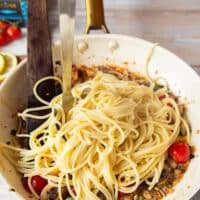
During the time when you're making this sauce, it would be the time to cook the pasta simultaneously. We love a spaghetti or linguine for this sardine pasta recipe, however any shape of your choice would work.
-
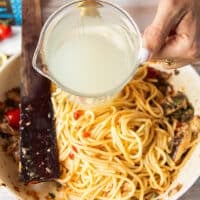
For a luscious and saucy pasta with sardines, we use our favorite trick--pasta water! Simply reserve a cup or so of the pasta water when draining it. That water is added in slow amounts to the sardine pasta as you toss the spaghetti in. You'll notice the sauce becomes creamy and luscious.
-
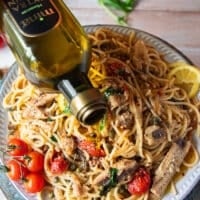
The final touch and the MOST important one! The sardine pasta is enriched with a hefty drizzle of quality extra virgin olive oil. Use quality olive oil here--you want to taste it! This will not cook, it's a topping :)
-
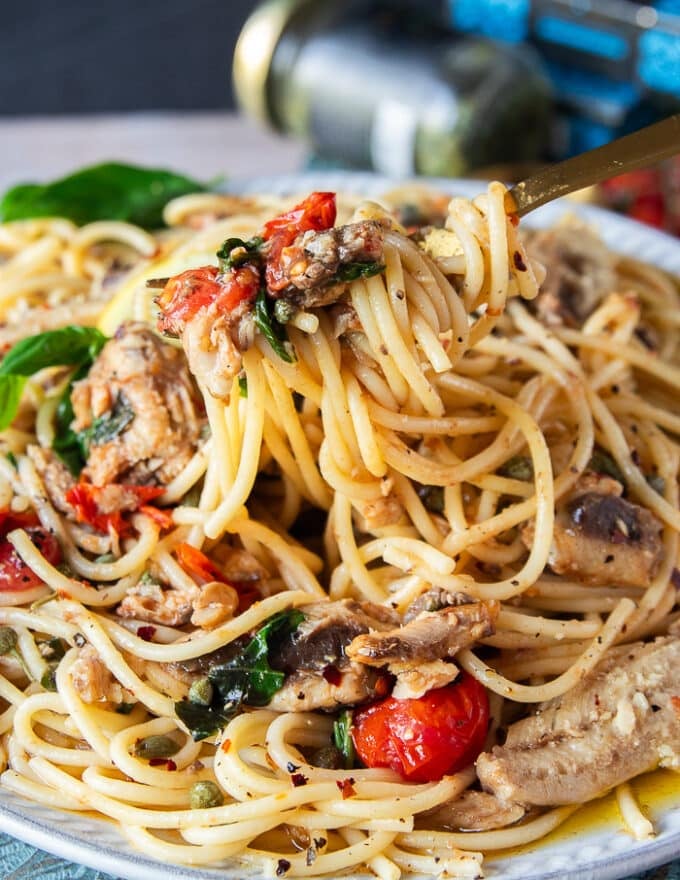
Serve right away and enjoy!
Recipe Video
Recipe Notes
Pro Tips for Sardine Pasta Recipe
- We recommended boneless skinless sardines. Quality, wild caught fish that's packed in EVOO is a game changer, specially the MINA brand.
- Since this recipe has minimal and simple ingredients, make sure you use quality tasting ingredients.
- You can use other veggies like shallots, onions, bell peppers and more. Make sure to customize it to your taste.
- It's best to make and enjoy this dish right away.
- Try canned salmon for a variety of seafood.
- Avoid over mixing the sardines in the skillet as you don't want them to mush, they should be chunks.
- The pasta water is for creating a saucy sauce for the pasta, you can however skip it if you prefer a dryer pasta.
- A finish of EVOO drizzled on top along with lemon zest is the perfect finish to the taste, and you'll be tasting the brightness of both. We highly recommend this step!
- Avoid using lemon juice as it will make your pasta soggy. The zest is all you need for a perfect lemon flavor without the liquid.
Sardine Pasta Variations
- Sicilian Pasta Con le Sarde: Add fennel, raisins, pine nuts and a breadcrumb topping.
- Canned Sardine Pasta: Add just garlic, olive oil, canned sardines, lemon and parsley
- Mediterranean Sardine Pasta: Add tomatoes, capers, olives, chili flakes.
- Tomato Sardine Pasta: Some Italian households add crushed tomatoes or cherry tomatoes for a richer sauce.
- Chili Sardine Pasta: In southern Italy, chili flakes are added for heat.
How to Store Leftovers?
The dish can be stored in the fridge in an airtight container for up to 2 days, although we recommend enjoying it all the same day. To reheat the pasta, you can so in the microwave, or in a skillet with some water to loosen up the sauce. Freezing this sauce is not our choice as the texture changes.
Can you use fresh Sardines to make this pasta with sardine recipe?
While you can absolutely use freshly cooked Sardines following this tutorial, we prefer canned. Since the fish has tiny fish bones which could be challenging to remove , we recommend boneless canned fish for this recipe. It is however your choice.
What to Serve with Sardine Pasta
Garlic Bread , Fougasse or a bright Peach Burrata Salad, Panzanella Salad would work great. Likewise, you can dollop some Basil Pesto or Sun Dried Tomato Pesto too.
Common Mistakes to Avoid
- Using too much heat: High heat can break the sardines apart into a paste.
- Skipping acidity: Lemon or vinegar helps balance the natural oils.
- Overloading the dish: Sardine pasta works best when kept simple.
- Not salting the pasta water: Properly seasoned pasta makes a huge difference.
Is Sardine Pasta Healthy?
Yes. Sardine pasta is considered part of the Mediterranean diet, one of the most studied healthy eating patterns in the world.
Sardines are rich in:
• Omega-3 fatty acids
• Vitamin D
• Calcium
• High quality protein
They also tend to contain lower mercury levels than many larger fish.
Does sardine pasta taste fishy?
When prepared correctly, sardine pasta tastes savory and rich rather than overly fishy. High quality sardines and fresh aromatics help balance the flavor.
Can you make sardine pasta with canned sardines?
Yes. Canned sardines are actually the most common option and work extremely well in pasta dishes.
What pasta goes best with sardines?
Long pasta shapes such as spaghetti, linguine, and bucatini work best because they hold the light oil based sauce.
Are sardines healthy in pasta?
Sardines are one of the most nutritious seafood options available, providing omega-3 fatty acids, calcium, and protein.
Can you freeze sardine pasta?
Freezing is not recommended because the texture of the sardines and pasta may change after thawing.
What herbs go well with sardine pasta?
Fresh parsley, fennel fronds, basil, and oregano pair beautifully with sardines.
Should I remove sardine bones?
In canned sardines, the tiny bones are soft and edible. They are rich in calcium and typically dissolve into the sauce.
Why Does My Sardine Pasta Taste Too Fishy?
Sardine pasta should taste rich, savory, and slightly briny, not overwhelmingly fishy. Using high quality sardines packed in olive oil also makes a big difference.If the flavor is too strong, a few things may be happening.
• Low-quality canned sardines
• Too many sardines compared to pasta
• Lack of acidity or fresh herbs
• Sardines cooked too long
How to fix it
• Fresh lemon zest or lemon juice
• Chopped parsley or basil
• A small splash of white wine
• A pinch of chili flakes
Why Is My Sardine Pasta Sauce Oily?
Because sardines are naturally rich in oil, the sauce can sometimes separate and feel greasy instead of silky.
• Too much oil in the pan
• Not enough pasta water
• Pasta added too late
How to fix it
The key is emulsification. Add a small splash of reserved pasta water and toss the pasta vigorously. The starch in the water helps bind the oil and creates a smooth sauce that coats the noodles instead of pooling in the pan.
Why Is My Sardine Pasta Dry?
A dry sardine pasta usually means the sauce didn’t properly coat the noodles.
• Not enough pasta water
• Pasta overcooked or drained too thoroughly
• Sauce reduced too much
How to fix it
Always reserve at least one cup of pasta cooking water before draining. Add small splashes while tossing the pasta until the sauce becomes glossy and lightly coats each strand.
Why Do My Sardines Fall Apart Too Much?
Sardines should gently break into flakes, not dissolve into a paste.
• Cooking them too aggressively
• Stirring too frequently
• Using very soft canned sardines
How to fix it
Add sardines near the end of cooking and break them apart gently with a spoon. Let them warm through rather than simmering them for too long.
Why Does My Pasta Lack Flavor?
Sardine pasta relies on a few ingredients, so seasoning is important.
• Pasta water not salted enough
• Not enough aromatics
• Missing finishing ingredients
How to fix it
Enhance the final dish with:
• Extra virgin olive oil
• Lemon zest
• Fresh herbs
• Toasted breadcrumbs
• Chili flakes
Why Does My Sauce Not Stick to the Pasta?
A silky sardine pasta should cling to the noodles, not sit at the bottom of the bowl.
• Pasta rinsed after cooking
• No starch added to emulsify the sauce
• Pasta added too late
How to fix it
Never rinse pasta after cooking. Toss the pasta directly with the sauce and add a splash of starchy pasta water to bind everything together.