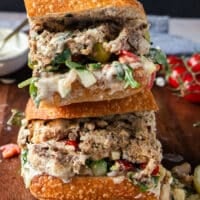
Sardine Sandwich
Sardine sandwich is one of the most underrated seafood sandwiches in the world. Rich, tasty, savory, deeply flavorful, protein packed, and incredibly versatile. It has a bright, fresh, Mediterranean flare and reminds us of nostalgic family lunches on the sea.
Ingredients
Sardines
- 2 cans Sardines quality sardines packed in olive oil
Bread
- 2 Ciabatta Rolls toasted. Use toasted bread or pita bread for the sardine bowl.
Salad
- 1 tomato finely diced
- 1 Persian cucumber finely diced
- 1/4 cup red onion finely diced
- 2 tabelspoons mint leaves, torn
Other Ingredients
- 1/2 cup arugula or any greens of your choice
- 2 roasted peppers
- 2 tablespoons feta cheese cumbled
- 2 Tablespoon dill roughly chopped
- 1/4 teaspoon salt and pepper
- 2 tablespoons olive oil
- 2 tabelspoons green olives roughly chopped
Instructions
-
Toast the bread until crisp on the outside but still lightly chewy inside. This creates structure and prevents sogginess.

-
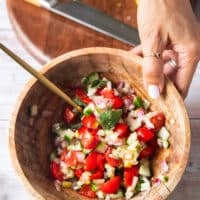
The secret ingredient to this sandwich is taking a lemon slice and finely dicing it. The finer the better for ultimate lemon flavor. This our family's TIP for maximum flavor and you will LOVE IT!

-
Now add the finely diced lemon with the other veggies like tomatoes, cucumbers, onions, roasted red peppers and feta, along with lots of olive oil, herbs and seasoning.
-
Mix well and the toppings are ready.
-
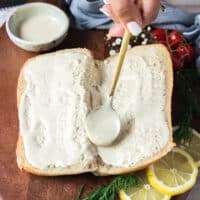
Choose a creamy base like our family viral recipe for Tahini Sauce and spread generously on both sides.
-
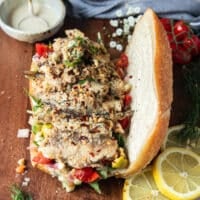
Layer the salad ingredients, the arugula, roasted peppers, some feta crumbles, olives, herbs and olive oil over the tahini sauce.

-
Then add the sardines over the salad ingredients and season them, adding chili flakes are optional.
-
Large chunks of sardines create better texture than mashed sardines.
-
Now the sandwich is ready! SO GOOD!
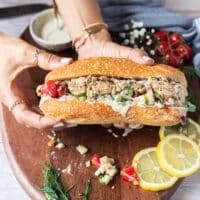
-
One of the biggest advantages of this sardine sandwich flavor profile is how naturally it transforms into a Mediterranean sardine bowl. The same ingredients that work inside the sandwich can be layered into a hearty, protein rich bowl with almost no extra preparation.
-
Start by a layer of bread, either a whole pita bread or toasted bread cubes. You can also use grains or rice, or Crispy Potatoes.
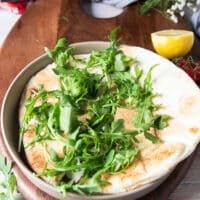
-
Add the greens like arugula on top.
-
Now arrange the sardines in large pieces rather than mashing them. This improves texture and flavor balance.
-
Add the salad ingredients around the sardines, a bowl of Tahini Sauce, some olives, roasted peppers and feta.
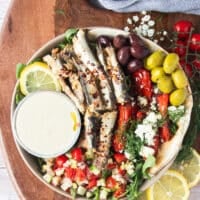
-
Now the bowl is complete and SO GOOD!
Recipe Video
Recipe Notes
Choosing Elite Tinned Sardines
The canned fish aisle can be overwhelming. We use King Oscar Sardines, and you can look for them or for these indicators to ensure premium quality:
- The Packing Oil: Always buy sardines packed in extra virgin olive oil. Avoid sardines packed in cheap vegetable, soy, or sunflower oil, which impart a greasy, industrial flavor.
- Origin Standards: Look for tinned fish from Portugal, Spain, Morocco, or France. Iberian conservas are world-renowned for sorting and packing fish cleanly by hand.
- Skin & Bones vs. Boneless/Skinless: Traditional sardines include the skin and central spine. Since the canning process pressurizes and cooks the fish thoroughly, these bones are completely soft, virtually unnoticeable, and packed with calcium. However, if you are squeamish about texture, opt for "skinless and boneless" tins for a milder, cleaner entry point.
Can Sardine Sandwiches Be Made Ahead?
You can make them partially, you need to prepare ingredients ahead but assemble shortly before serving.
Are sardine sandwiches healthy?
Yes. Sardine sandwiches are high in protein, omega 3 fats, Vitamin D, calcium, and more.
What bread works best for sardine sandwiches?
Sourdough, ciabatta, rye work best and likewise any rustic crunchy bread you prefer.
Do sardine sandwiches taste fishy?
Good sardine sandwiches should taste savory and briny, not overwhelmingly fishy.
Should sardines be eaten hot or cold in sandwiches?
Both work well, depending on your taste. However room temperature sardines often taste best.
What goes well with sardines in a sandwich?
Depending on your preference, you can use lemon, herbs, pickles, tomatoes, capers, olive oil, and creamy spreads.
Can canned sardines be used for sandwiches?
Yes of course! You can use fresh or canned sardines packed in olive oil.
What’s the best sauce for sardine sandwiches?
Aioli, labneh, whipped feta, tahini and herb sauces work especially well. Alternatively you can use a simple mayo and dijon mustard blend.
Are sardines better than tuna?
Sardines are often considered more nutrient dense and higher in omega-3s than tuna.
Can this become a sardine bowl?
Absolutely yes! Replace bread with grains, crispy pita, or roasted vegetables for a Mediterranean sardine bowl.
Do you have to cook sardines out of the can for a sandwich?
No, sardines are fully cooked under high pressure inside the sealed can during the commercial manufacturing process. They are entirely safe to eat straight from the tin without any additional heating. You can optionally bake them if you like to.
Can pregnant women eat canned sardine sandwiches?
Yes, absolutely. In fact, they are highly recommended. Because sardines are tiny, short lived fish at the bottom of the marine ecosystem, they do not bioaccumulate heavy metals. They possess some of the lowest mercury levels of any seafood, while offering critical DHA fats and calcium for fetal development.
Should I remove the bones and skin from sardines?
It is not necessary. The bones are entirely soft, pliable, and crumble effortlessly under a fork without you ever noticing them texturally. They supply almost all of the tin’s concentrated calcium. However, if you have a texture aversion, skinless and boneless options are readily available in supermarkets.