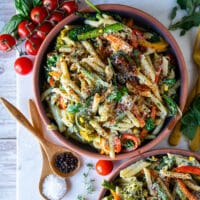
Pasta Primavera
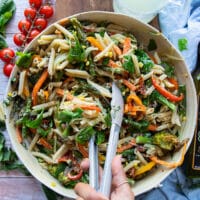
This pasta primavera recipe is pure pasta and veggie bliss. Sweet roast veggies are tossed with a fragrant mixture of garlic, basil and sun dried tomatoes, and then tossed with cooked pasta and parmesan cheese for an instant pasta sauce. A gorgeous vibrant and perfect side or vegetarian main dish that’s loaded with flavor, color and veggie goodness!
Ingredients
- 1 extra large carrot or 2 medium ones , cut up into thin matchsticks
- 1 yellow sweet bell pepper , thinly sliced into match sticks
- 1 large yellow onion , slices thin
- 1 cup of sliced cremini mushrooms
- 1 cup asparagus thinly sliced into matchsticks
- 1 cup of fresh or canned corn kernels
- 1 cup of broccoli florets
- 1 ⁄2 cup sun dried tomatoes sliced
- 1 ⁄4 cup fresh basil leaves sliced
- 1 small clove of garlic minced finely
- 1 cup of baby spinach leaves or kale
- 1/2 cup of pasta water (more or less depending on how saucy you like your sauce)
- 2 tablespoons of low fat cream cheese (optional)
- 1/3 cup of grated parmesan cheese
- 1 teaspoon of salt
- 1 ⁄2 teaspoon of pepper
- 2 tablespoons of dried oregano
- 1 tablespoons of extra virgin olive oil
- 18 ounce box of your favorite type pasta
- 1 tablespoon of salt for cooking the pasta
Instructions
-
Line a large baking sheet with parchment paper and preheat your oven to 400 degrees.
-
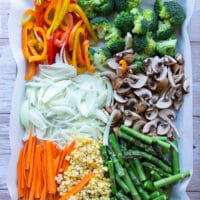
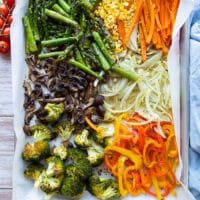
Place the veggies on the baking sheet and divide the seasoning between all veggies.
-
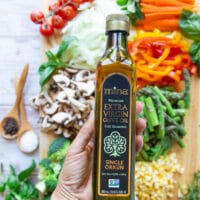
Season with the salt, pepper and oregano then drizzle with the olive oil.
-
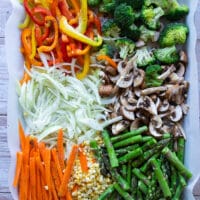
Toss the veggies with your hands to make sure all is evenly coated.
-
Roast the veggies (except for the asparagus and broccoli florets) for about 18 minutes, tossing them halfway through baking.
-
In the meantime, start cooking the pasta according to package instructions. Remove the baking sheet and make room for the asparagus and broccoli florets, then return it back to roast for just 3 minutes.
-
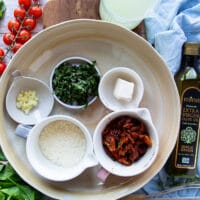
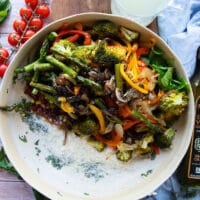
When veggies are done, place them all in a large deep bowl and add to them the spinach, garlic, sun dried tomatoes, cream cheese and basil.
-
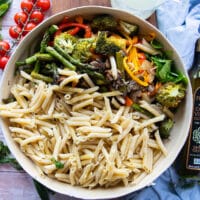
When pasta is ready add it all to the bowl too and add about 1⁄4-1/2 cup of pasta water to it and toss everything together. Add the parmesan cheese and toss again.
-
Serve and sprinkle with extra cheese.
Recipe Video
Recipe Notes
Tips for Primavera Pasta
- The roasting time for vegetables is based somewhat on personal preference. If you prefer your veggies a little more on the crunchy side, reduce the cook time.
- The type and variety of veggies are completely personal and to your taste!
- Cut veggies uniformly and group by cook time. This prevents overcooking tender asparagus while waiting for thicker carrots to soften.
- Make sure you slice them thinly so they don't take too long to cook in the oven.
- Flavor the veggies with some dried spice and quality olive to add an extra layer of taste to your pasta dish.
- The no cook sauce is AMAZING and just requires pasta water--so save some while pasta is cooking.
- Ingredients like spinach, sun dried tomato and Basil Pesto or fresh basil don't need to cook. You can add other fresh herbs.
- Toss and adjust the consistency to your taste--adding extra pasta water for a saucier pasta or less for a drier one.
- Parmesan cheese thickens the sauce as well and adds flavor. You can use vegan parm is you're making this a vegan dish.
- If you've never tried al dente pasta before, now is the time. Al dente means "to the tooth" and is the Italian way of saying pasta that is still ever-so-slightly firm and toothy when you bite into it. Many times the box of pasta will tell you exactly how long to boil the pasta for perfect results. Al dente the best way to enjoy pasta in any form. Plus, it ensures that when you reheat leftovers your pasta doesn't become overcooked in the process.
- Leftovers store well in the fridge for a week or freeze the cooked and finished primavera pasta recipe for a busy day.
- Salt the pasta water well. Properly seasoned water is the foundation of the dish.
- Reserve pasta water and use it to bind sauces—starchy water is a natural emulsifier.
- Make it ahead:Roast or blanch the veggies and set aside. Make sauce ahead, and toss with pasta just before serving. Rewarm gently to avoid soggy veggies.
How to Serve Pasta Primavera
This delicious flavorful pasta is beautiful by itself for a light Spring or Summer meal. You can also add a slice of crusty French bread or garlic bread or pair it with a cold soup.
What is primavera sauce made of?
Pasta primavera sauce is a blend of no cook ingredients, Pasta water, cream cheese, Parmesan cheese and seasoning are the base of the sauce. Flavorings such as basil or Basil Pesto along with sun dried tomatoes add an extra level of taste.
What is Italian Primavera?
What vegetables are best in pasta primavera?
Spring vegetables are ideal: asparagus, peas or sugar snap peas, young zucchini, cherry tomatoes, baby carrots, tender broccoli or broccolini, and fresh herbs. Choose vegetables that are in season and cut them to similar sizes so they cook evenly.
Should I blanch vegetables for pasta primavera?
We are avid fans of roasting or grilling compared to blanching. If you prefer to blanch then do so for 1–2 minutes and shock the veggies in ice water to lock color and texture.
What sauce goes best with pasta primavera?
Use our no cook pesto dream sauce! A simple olive oil + lemon is classic and highlights veggies. Also a light crème fraîche or small splash of cream gives silkiness if you prefer a richer mouthfeel. A beurre blanc style butter emulsion is a restaurant style finish.
How do I keep the vegetables crisp in pasta primavera?
Cut uniformly, watch cooking times and add them back to the pasta at the end. Avoid simmering vegetables in the sauce.
What kind of pasta is best for primavera?
Both long pastas (linguine, spaghetti) and short shapes (penne, fusilli) work—choose shapes that hold sauce and veggies.