
Pan Fried Walleye
Ingredients
- 4 pieces Walleye Fish
- 1 teaspoon lemon pepper
- 1/4 teaspoon salt or to taste
- 1/4 teaspoon cumin
- 1 teaspoon paprika
- 1 teaspoon garlic powder
- 1/2 teaspoon oregano
- 3 Tablespoons neutral oil
Black Bean Salad
- 2 cups Black Beans
- 1 cup Corn kernels
- 1 large Avocado diced
- 1/3 cup Onions Finely diced
- 1-2 Jalapeños Finely minced
- 1/2 cup Cilantro finely minced
- 2 Tablespoons Lime Juice
- 1 teaspoon Salt
- 1 teaspoon sugar
- 1/2 teaspoon cumin
- 2 Tablespoons oil
- 1 Garlic clove minced
Instructions
-
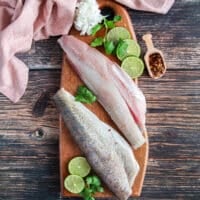
Remove the fillets from the box and from the packaging. Defrost overnight in the fridge or over the counter for 3-4 hours.
-
For the salsa: Mix all ingredients together in a bowl, taste and adjust seasoning if needed. Set aside in. The fridge.
-
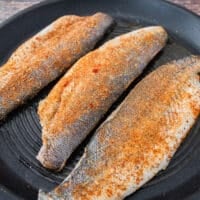
For the fish, season both sides with the seasoning mix well. Press the seasoning down so it sticks to the fish.
-
Preheat a non stick skillet over medium high heat, and add in the oil.
-
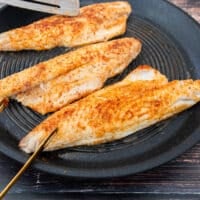
Sear the pickerel fillets for 3 minutes until golden.
-
Gently flip it so the other side can cook, and cook for another 3 minutes.
-
Remove the fillets and assemble the plate.
-
Serve with lime wedges on the plate and enjoy.

Recipe Video
Recipe Notes
Expert Tips for the Best Pan Fried Walleye
- Dry the fillets thoroughly because moisture is one of the biggest obstacles to a crisp coating.
- Preheat the skillet properly so that the fish cooks crispy on the outside without soaking too much oil.
- Don't overcrowd the pan as this would lower the pan temperature and create steam, making it harder to achieve a golden crust.
- Choose medium high heat for pan searing, because too hot of a pan and the fish darkens before it cooks through. A lower temperature will have the fish absorb all the oil and stick to the pan.
- Leave the fish alone while it sears until the one side is fully cooked and crisp. If you flip the fish too early, you can tear the flesh and it will flake apart.
- Use two thin spatulas for easier flipping and handling delicate fish so it doesn't break or flake as you turn the filets.
- Depending on the thickness of the fish you may need more time for cooking.
- Serve the fish right away as it's best served hot with the delicate crust and a fresh squeeze of lime.
Why is my pan fried walleye soggy?
Sogginess usually results from excess moisture, an insufficiently heated skillet, overcrowding, or leaving the fish covered after cooking. Dry the fillets well, heat the oil properly, cook in batches, and place cooked fish on a wire rack rather than stacking it.
Why is the coating falling off?
If using a coating, make sure the fillets are not too wet, the coating is NOT too thick, or the fish was flipped before the crust formed. Pat the fish dry, apply a thin coating, shake off excess flour, and let the first side brown before turning.
Why is my walleye sticking to the pan?
The skillet may not have been hot enough, there may not have been enough oil, or the fish may have been turned too soon. Use a properly preheated skillet, coat the cooking surface with oil, and allow the crust to develop before lifting the fillet.
Why is my walleye dry?
Fish cooks quickly, especially when the fillets are thin. Overcooking is the most common reason for dry walleye. Check the thickest part of the fish and remove it from the heat when it reaches 145°F.
Why is the outside browned but the middle undercooked?
The heat may be too high, causing the coating to brown before the center cooks through. Reduce the heat slightly and allow thicker fillets more time. Check the internal temperature rather than relying on the crust's color alone.
Can You Cook Frozen Walleye?
For the best texture and most even cooking, thaw frozen walleye before pan frying. Properly thawed fillets are easier to dry, season, coat, and brown.
The safest method is to thaw the fish in the refrigerator overnight. For faster thawing, place the fish in a sealed, leakproof bag and submerge it in cold water, changing the water as needed. Fish thawed in cold water should be cooked promptly.
Once thawed, pat the fillets very dry before cooking. Ice crystals and excess moisture can interfere with browning and cause the oil to splatter.
Can you prepare walleye ahead of time?
You can portion the fish and prepare the seasonings or coating ahead of time. For the best crust, wait to coat the fillets until shortly before cooking.
How do you store leftover pan fried walleye?
Place leftover fish in a covered container and refrigerate promptly at 40°F or below. Cooked fish is generally best used within 3–4 days, although sooner is preferable for quality.
Do not leave cooked fish at room temperature for more than two hours, or more than one hour when the temperature is above 90°F.
How do you reheat pan fried walleye?
For the best texture, reheat the fish in an oven or air fryer until heated through. A skillet over moderate heat can also work, particularly for thinner fillets. Avoid prolonged heating, which can dry out the delicate flesh.
The microwave is convenient but tends to soften the coating, so use it when convenience matters more than crispness.
Can you freeze leftover cooked walleye?
Cooked fish can be frozen in an airtight, freezer safe container, although the coating may soften after thawing. For the best texture, pan-fry only what you plan to serve and enjoy freshly cooked.
How long does walleye take to pan-fry?
Average thickness fillets often take around 3–4 minutes per side, but cooking time depends on the thickness of the fish, the temperature of the pan, and whether the fillets are coated. Use an internal temperature check to confirm doneness.
What is the best oil for pan frying walleye?
Canola, vegetable, and avocado oil are good options because they handle skillet cooking well and have relatively neutral flavors. Butter can be added toward the end for flavor.
Is walleye the same as pickerel?
Not universally. Walleye is a specific fish species, while pickerel is a common name used for other fish in North America. In some regions, people may use the term pickerel when referring to walleye, so the names can overlap in everyday conversation. Confirm the species when buying fish.
Should walleye be cooked with the skin on or off?
Either approach works. Skinless fillets are convenient for a lightly coated preparation, while skin on fillets can develop a crisp skin when cooked properly. If cooking with the skin on, start with the skin side down and allow it to crisp before turning.
How do you know when walleye is done?
The flesh should be opaque and separate easily with a fork. For a reliable safety check, cook fish to an internal temperature of 145°F at the thickest part.
Can you pan fry walleye in butter?
Yes, but butter can burn when the skillet is very hot. Use oil for the main cooking process and add butter near the end, or combine butter with oil to help manage browning.
What seasoning goes best with walleye?
Salt, black pepper, lemon pepper, garlic powder, paprika, parsley, and dill all complement its mild flavor. Lemon juice is an especially good finishing touch.
What is the difference between pan fried and deep fried?
Pan fried walleye cooks in a skillet with a relatively small amount of oil, while deep fried walleye is submerged in hot oil. Pan-frying is convenient for small batches and allows you to use a lighter coating if desired.