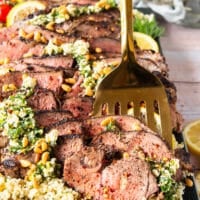
Butterflied Leg of Lamb
A butterflied leg of American lamb is one of the most flavorful, impressive, and surprisingly simple centerpiece lamb recipe you can cook. By removing the bone and opening the leg into a flat cut, you create a piece of lamb that cooks faster, marinates more effectively, and develops a beautifully caramelized crust whether grilled or roasted.
Ingredients
Lamb:
- 8 pound leg of lamb butterflied and trimmed to your liking
- 6-8 cloves of garlic cut into thirds
- 2 teaspoon avocado oil if pan searing
Marinade
- 2 large onions grated with 1/2 teaspoon salt , and use the water only
- 1 Tablespoon kosher salt and freshly ground pepper
- 1 teaspoon allspice
- 2 teaspoons paprika
- 2 teaspoons oregano
- 1 tablespoons garlic powder
- 1 tablespoon onion powder
- 1/3 cup citrus juice orange and lemon
- 1/4 cup olive oil
- 1/3 cup fresh herbs minced fresh dill, parsley, rosemary, thyme, oregano, mint or a combo of all
To Serve:
- 1/4 cup feta cheese
- 3 tablespoon olive oil
- 1/4 teaspoon salt and pepper
- 1 teaspoon honey
- Zest of 1 lemon and zest of 1/2 an orange
- 2 tablespoons citrus juice lemon and orange
- 2 tablespoons fresh herbs minced
- 1/3 cup toasted pine nuts
Instructions
-
Pat dry the leg of lamb using a paper towel.
-
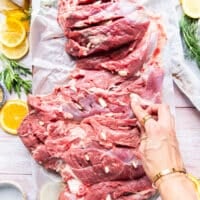
Use a sharp pairing knife to cut half inch deep slits along the leg of lamb, space them apart, about 2 inches apart.
-
Take the fresh garlic clove slices and place them in the slits one at a time, make sure to insert it well inside the meat.
-
Make the marinade by grating the onions over a light kitchen towel. Salt it and let it sit for 10 minutes.

-
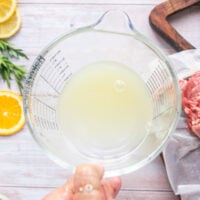
Squeeze the onion water out of the grated onions using the kitchen towel. Place the water in a bowl.
-
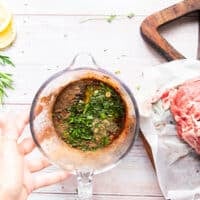
Add the seasoning to the onion water and all marinade ingredients and mix well.
-
Place the leg in a shallow plate and pour the marinade all over, and massage well.
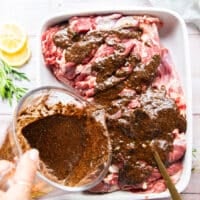
-
Marinade the meat for 1 hour minimum and up to 12 hours.
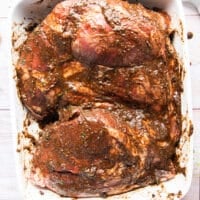
-
To Grill: Preheat grill to medium high (around 425F).
-
Oil grates lightly. Place lamb fat side down first.
-
Grill 5 -7 minutes per side.
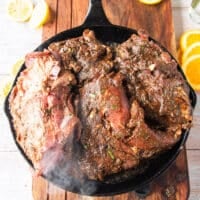
-
Move to indirect heat if flare, ups occur. Cover the grill.
-
Cook until internal temperature reaches 145°F and rest for at least 3 minutes as recommended by the USDA.
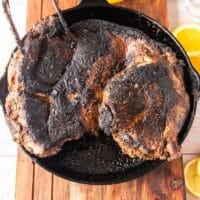
-
Rest 10–15 minutes before slicing.
-
To Sear And Oven Roasted Butterflied Leg of Lamb
-
Preheat oven to 425°F.
-
Sear the leg of lamb in neutral high smoke point oil (like avocado oil) over high heat. Use a cast iron pan or an oven safe heavy duty pan.
-
Flip when golden, and sear until the other side has a beautiful charred crust. This takes 5-7 minutes per side.
-
Place the cast iron pan in the oven and continue roasting.
-
Roast about 30 minutes depending on thickness.
-
If you want a more charred crust, place the pan under the broiler and broil for 2-3 minutes.
-
Check temperature early to avoid overcooking.
-
Rest for 10 minutes tented in foil before slicing.
-
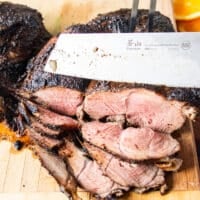
Slice the rested leg of lamb about 1/4 th inch thick slices using a super sharp knife.
-
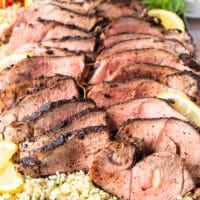
Arrange the slices on a platter with any side dish you prefer.
-
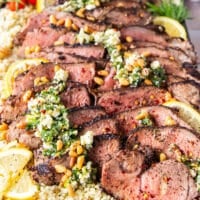
Mix the feta toppings in a bowl, and top the lamb with some feta herb citrus olive oil toppings.
-
Sprinkle with butter toasted pine nuts.
-
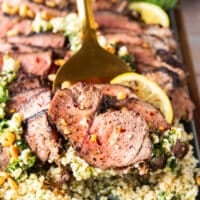
Season with extra black pepper, chili flakes and a drizzle of olive oil.
Recipe Video
Recipe Notes
Expert Pro Tips for Butterflied Leg of Lamb
1. Buy Local American Lamb
Local American Lamb is the freshest you can find. It's tasty, quality lamb that's raised to the highest standard. Our local lamb industry is overseen by the American Lamb Board, which is your one stop destination for any info you need on local lamb.
By buying local, you're also supporting local ranchers and hard working families that pour their hearts out everyday so we can have such fresh and quality lamb. So always ask before you buy, and once you try it, you'll know the difference right away!
2. Even Thickness is Even Cooking
When you buy a butterflied leg, make sure your butcher has it butterflied so that it's even thickness. Double check and if you find a thicker area, just use a mallet to pound it gently. This guarantees you don't end up with overcooked edges, raw centers or any uneven doneness.
3. Keep some of the fat
Fat helps for a tender meat, it adds flavor, prevents curling during grilling and promotes better browning
4. Don’t Marinate in Too Much Acid, Use onion Water Trick
Lemon juice, balsamic vinegar and any acid is great for tenderizing the meat. But always follow the amounts in the recipe and marinating times. Excessive acid can break down surface proteins, create mushy texture and have a metallic taste.
Make sure to try our grandma's trick that has been passed down for generations! Onion water is KEY to flavoring lamb.
5. Two Zone Grilling Is Non Negotiable
If grilling, make sure you have one hot direct heat zone and one cooler indirect heat zone. You want to start on direct heat for the golden crust and move to indirect heat to finish cooking gently while keeping the lid shut. This prevents flare up burning from rendered lamb fat.
6. Use a Thermometer, always
Lamb varies in thickness and fat content. The USDA recommends cooking lamb to an internal temperature of 145 degrees F with a 3 minute rest. Take the internal temperature of the center and thickest part of the meat you can see, not the edges.
7. Rest Properly, Loosely Tented with Foil
It's best to rest the lamb for 10–15 minutes before slicing. Have the meat covered loosely in foil, do NOT wrap tightly in foil. Trapping creates steam which softens the crust and overcooks meat.
8. Slice Against the Grain (Critical Step)
Look closely at muscle direction. Slice perpendicular to the grain. Correct slicing makes lamb dramatically more tender.
9. Finish with Freshness
After slicing, a nice bright topping of feta, lemon juice, olive oil, fresh herbs and honey is KEY to restaurant quality lamb dish at home. Try it!
10. Save the Resting Juices
Resting juices are liquid gold. Drizzle it over the sliced lamb or whisk into a quick pan sauce, just make sure to not discard it.
Butterflied Leg of Lamb Variations
- Moroccan Spiced Butterflied Lamb with Cumin & Coriander: Use our spices in this How to Cook Lamb With Moroccan Spice.
- Grilled Butterflied Leg of Lamb with Chimichurri: Finish with our Chimichurri Recipe
- Butterflied Leg of Lamb on Charcoal Grill: If you're a charcoal master, you're LUCKY! This recipe on charcoal grills has so much flavor and beats any other way of cooking it!
Why Is My Lamb Tough?
You most likely overcooked the meat, or haven't rested it enough, or sliced the lamb against the grain. Make sure to avoid this mistakes for a tender lamb recipe.
Why Is It Gamey?
Out of the 15+ years we have been cooking lamb in the United States, we haven't experienced gamey lamb that was local! like never! The gamey lamb is common in exported lamb that's not as fresh or buttery and tasty as American lamb. For that we can't stress enough, BUY local lamb!
Why Is It Burning on the Grill?
If you're grilling the butterflied leg of lamb on a flame that's too strong, you'll notice it burning. Also some fat drippings will cause flare ups. That's why we highly recommend having a direct and a non direct heat zone when grilling.
Why Is It Unevenly Cooked?
If your lamb leg is unevenly cooked, that's because likely before cooking the meat thickness was inconsistent, or you did not bring the lamb to room temperature before cooking. Another reason is that you have hot spots on your grill or oven.
Make sure to have the butcher butterfly the meat at an even thickness, and use a mallet to pound any thick parts you notice. Bring the meat to room temperature before cooking and check for hot spots before starting. An oven thermometer is very helpful.
Can I Cook It From Frozen?
No. Always thaw fully for even cooking.
Storage & Reheating
- Refrigerator: Store any leftovers in an airtight container for up to 4 days.
- Leftovers: Great for sandwiches, wraps, salads and more!
- Freezer: Freeze sliced lamb up to 2 months in a ziploc bag.
- Reheat: Place in a 300°F oven covered with foil or in a sauce pan on the stovetop with splash of broth.
- Avoid using the microwave as it toughens lamb.
Make Ahead Strategy (Holiday Or Easter Hosting)
- Day Before: Buy the lamb, make sure it is butterflied. Make the marinade and marinate overnight.
- Morning Of: Remove from fridge and make sure it comes to room temperature.
- 2 Hours Before: Cook the lamb , rest and slice. Plate and Enjoy!
What does butterflied leg of lamb mean?
It means the bone has been removed and the meat flattened for faster, even cooking.
How long do you cook a butterflied leg of lamb?
Depending on the weight and thickness of the leg, you need about 10-15 minutes of searing on the grill or in a heavy duty pan. Then oven roasting or grilling with the lid on for an extra 30 minutes.
What temperature should lamb be cooked to?
145°F is the recommended cooking temperature by the USDA. .
Do you cover lamb while resting?
Yes, you need to loosely tent with foil.
How long should you marinate lamb?
At least 1 hour, ideally 4–12 hours.
Can I prepare it ahead?
Yes. Marinate and refrigerate up to 24 hours before cooking.